


Looking for something specific? Enter keywords to discover content, stories and experiences.
Close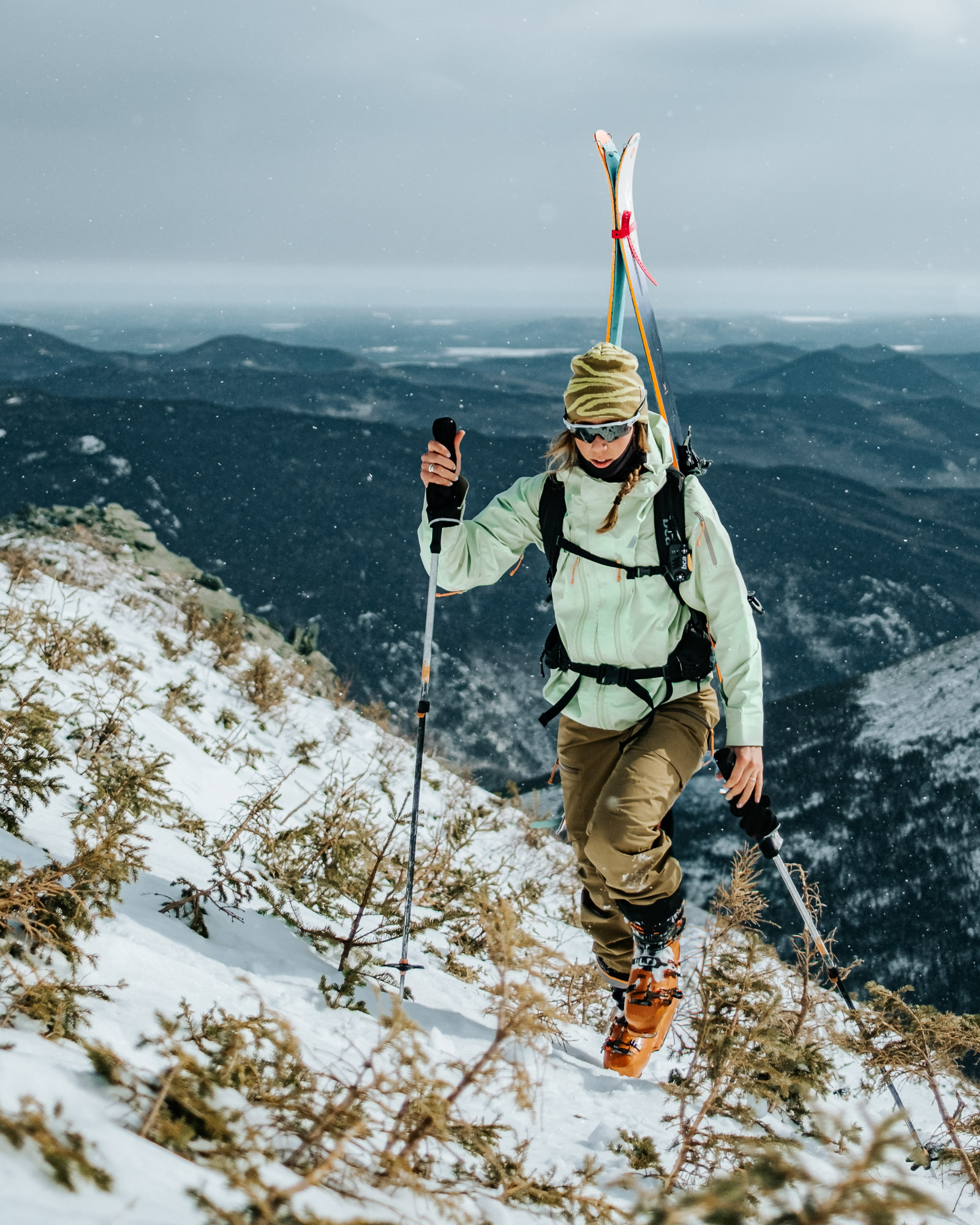
April 16, 2026
Photo
April 16, 2026
Photo
We are aware that the current moment has led many to reconsider travel to the United States. This journal does not look away from that, but instead shifts the gaze toward a landscape that escapes the lines drawn on a map and toward a nature that continues on its course.
In the northern reaches of New Hampshire, deep in the White Mountains, Mount Washington rises to just over 1,900 metres. It may not be the tallest peak on the East Coast, but it's almost certainly the most mythic.
The winds that tear across its ridgelines held a world record for decades—371 km/h, recorded in 1934—and anyone who's made the climb knows the mountain is notorious for some of the most unpredictable weather in North America. Since the 19th century, scientists, mountaineers, and travellers alike have made their way here to witness its shifting skies and singular terrain, carved out by ancient glaciers.
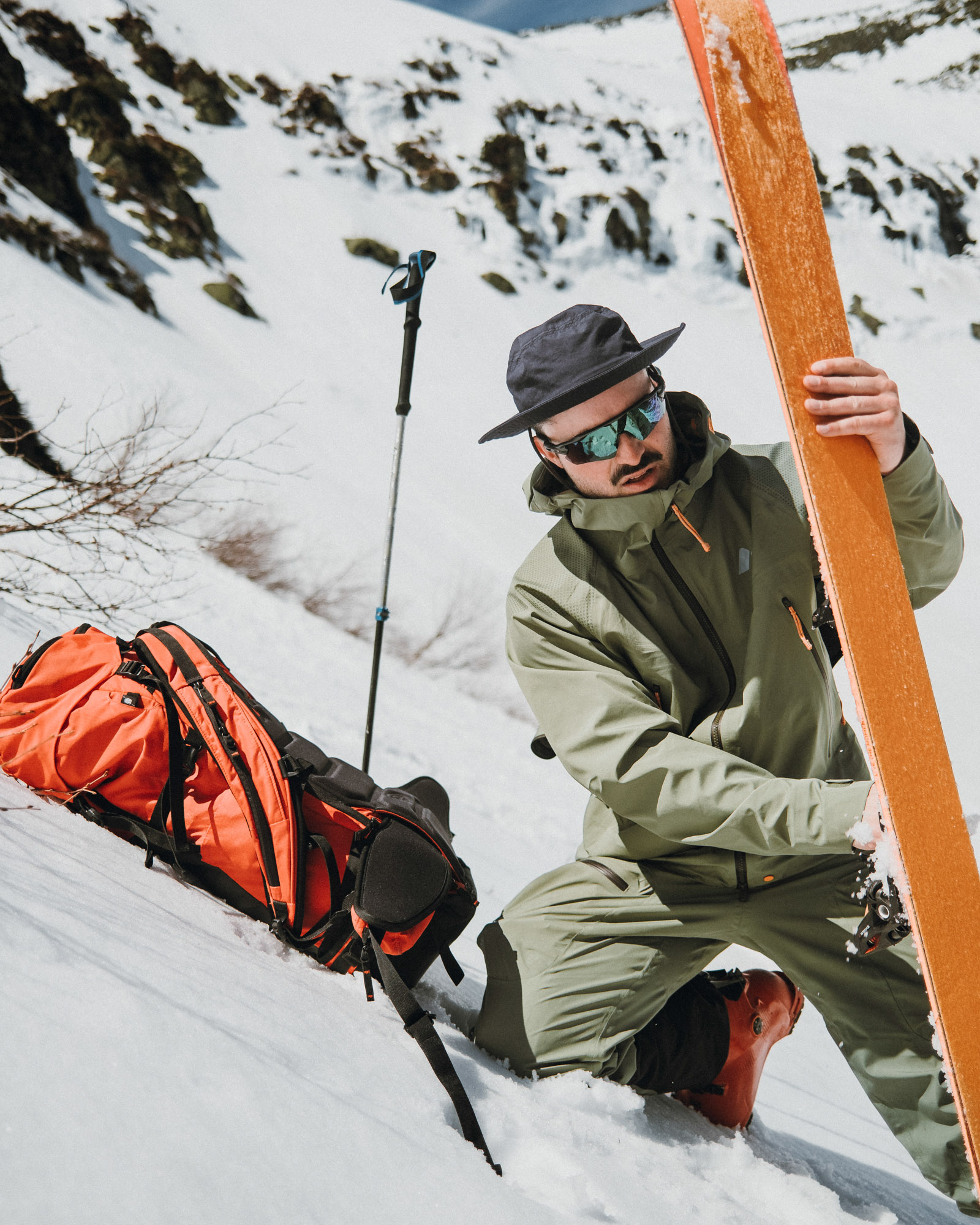
Gouged into its eastern flank, Tuckerman Ravine forms a vast natural amphitheater where certain slopes push past 50 degrees. People were skiing here in the 1930s and '40s, long before the age of modern ski resorts, groomed runs and high-speed lifts. And they still do. Every spring, as temperatures ease, the days stretch longer and the snowpack settles into something reliable, skiers and riders make their way up the ravine—keeping alive a seasonal tradition that feels closer to ritual than recreation. For Camille, Louis-Charles and Philippe, three ambassadors of the Montreal-based outerwear brand Orage, this spring pilgrimage has become a ritual.
What follows is a field journal from their many trips up the mountain.
An early, pre-dawn departure—partly for the sense of adventure.
If your schedule allows, an alternative is to leave the evening before and sleep in one of the cozy motels scattered through the White Mountains.
Before hitting the road, double-check you have all your gear. There’s nothing quite like driving four hours only to realize your boots are still sitting by the front door.
In the car: skis or board, boots, passport, and a thermos of coffee.
In your backpack: skins, crampons, sunscreen, enough layers to handle whatever the mountain decides to throw at you, a spare pair of socks, more snacks than seems reasonable, water, a headlamp, a camera, extra batteries, rope, and anything else that might come in handy if things go sideways. And somewhere at the bottom, under all of it: your après beers.
While the world is still asleep, head south, wondering at what point waking up at 4 a.m. to go skiing seemed like a good idea. alarm for a ski day. Cross the border, then drive through the dense forests of northern New Hampshire. As the morning breaks slowly the imposing silhouette of Mount Washington appears around a bend in the valley.
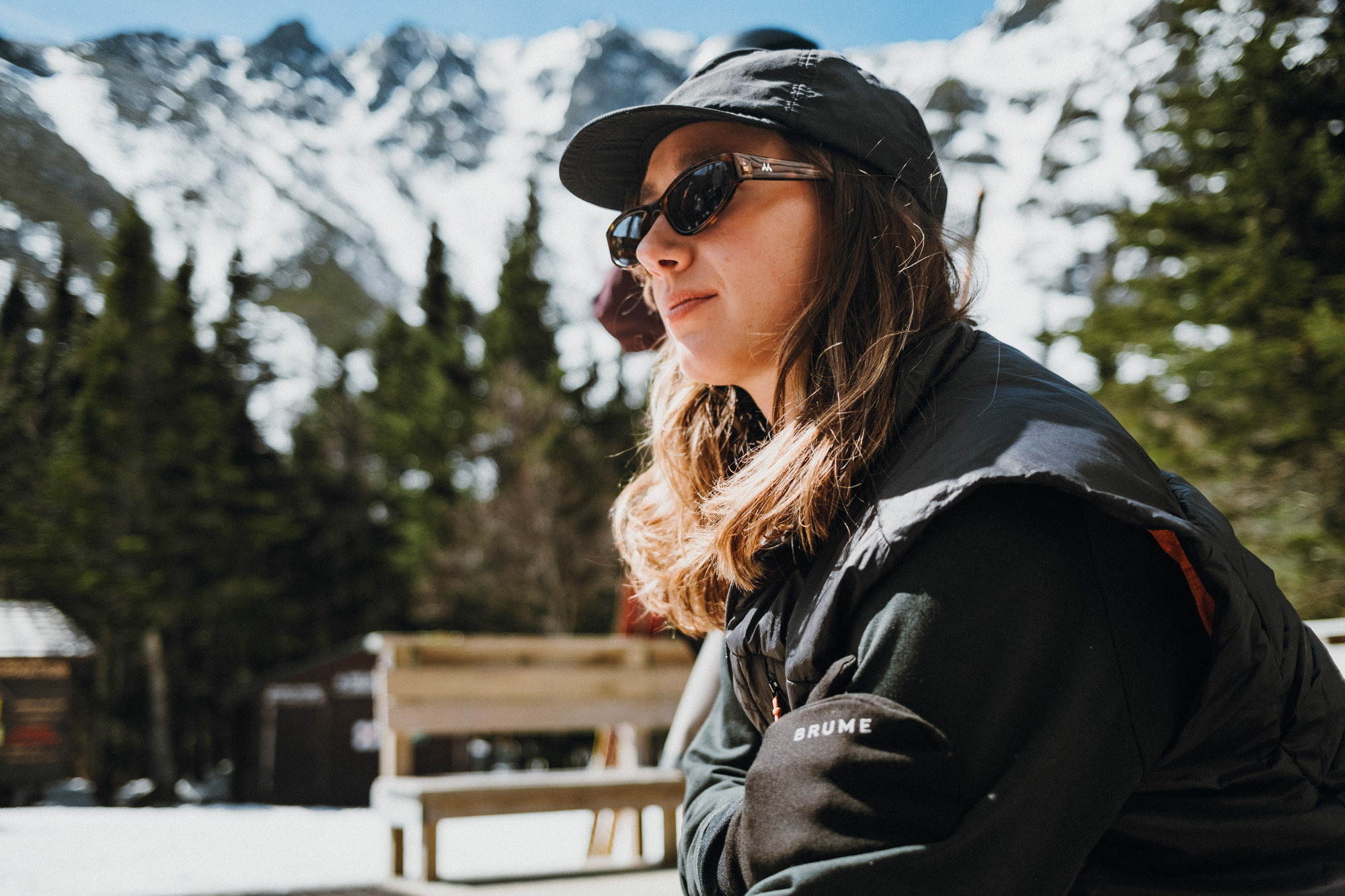
The road ends at the Pinkham Notch Visitor Center.
Here, you can read the history etched into the landscape itself. The White Mountains rank among the oldest in North America. they were profoundly reshaped by the glaciers of the last ice age. As the ice retreated, it left behind a series of immense natural bowls, the ravines that now cut into Mount Washington's flanks.
Skim the interpretive panels, then get ready in the parking lot alongside your fellow early risers. Stretch. Fill your bottles. Strap your skis or board to your pack: the approach begins on foot.
.jpg)
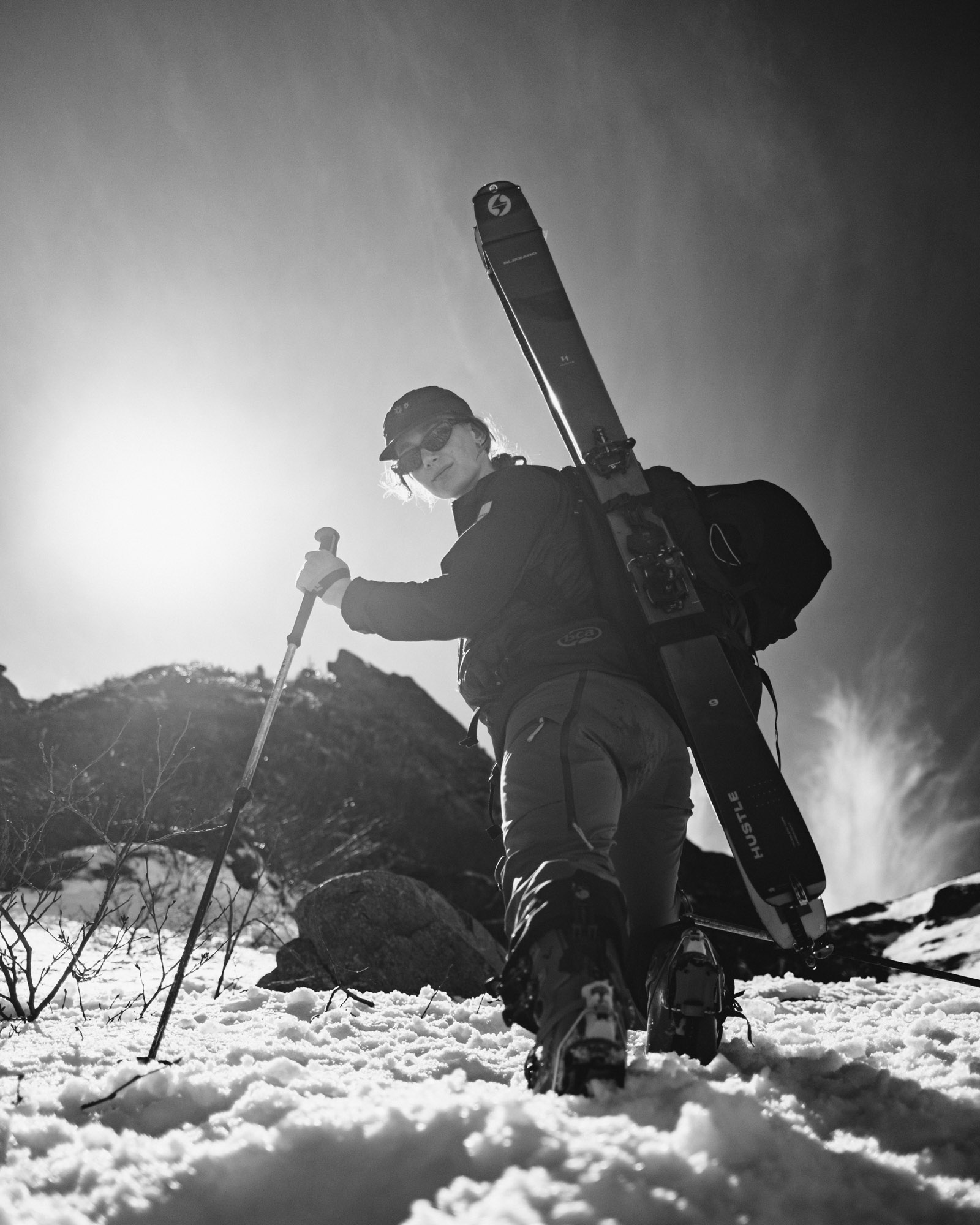
The trail winds through a mixed forest still shaking off winter. The rocky path isn’t technical, but the climb is steady—roughly two hours of continuous uphill. When snow lingers or freeze–thaw cycles leave a thin layer of ice, crampons can be useful. At times, a small stream traces the trail, and as you climb, the ravine walls gradually come into view through the spruce.After 3.8 kilometers, you reach Hermit Lake Shelters, at the base of the bowl.
The place has the feel of a small alpine camp.
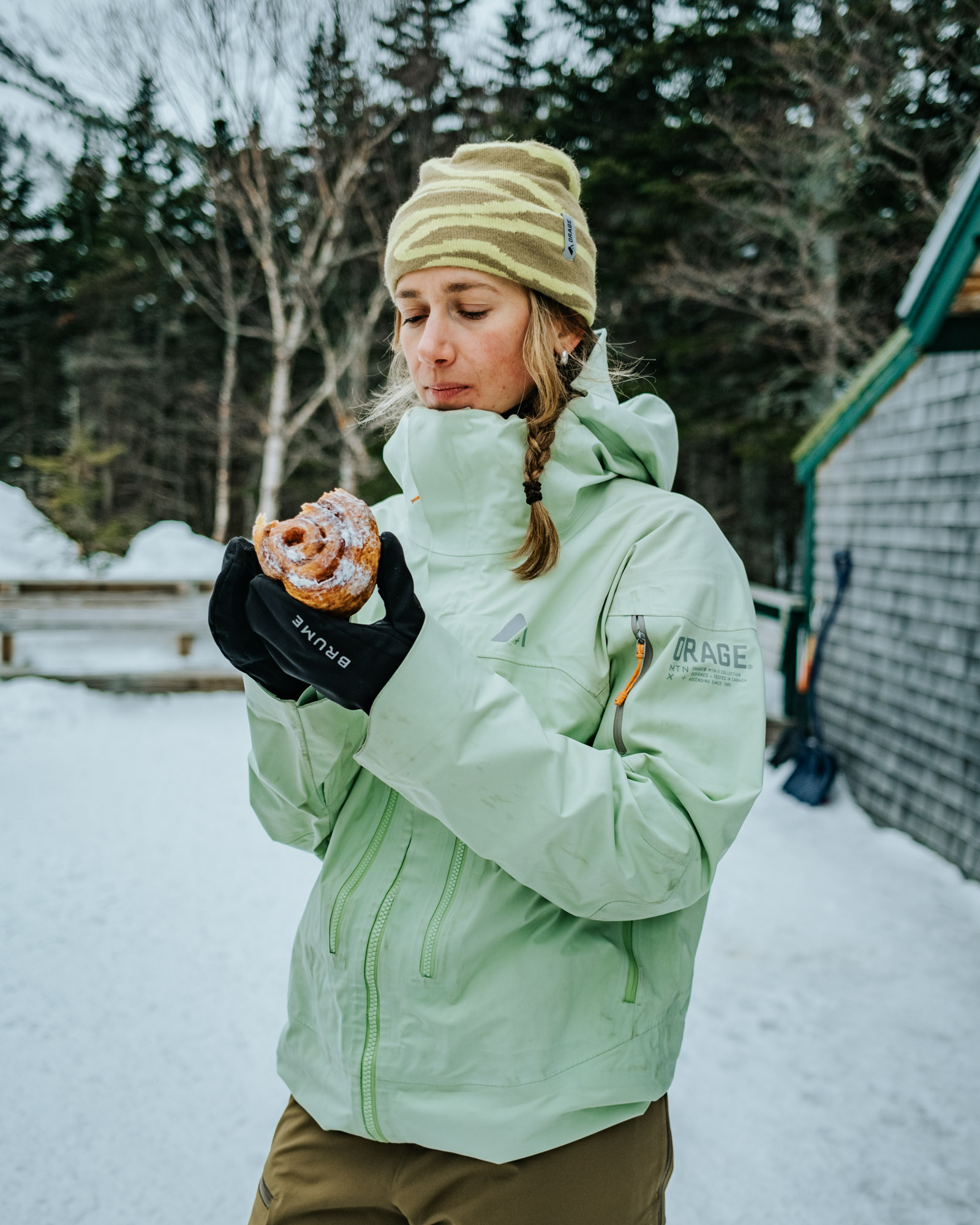
Because the alpine zone here is relatively accessible, a caretaker is on-site year-round to brief hikers on weather conditions, avalanche risk and the particularities of the Mount Washington and Pinkham Notch environment. Around the cabin, rustic lean-tos and a handful of tent platforms are tucked among the trees. This is where many people choose to spend the night.
In front of those wooden structures, Tuckerman Ravine rises like an enormous natural amphitheater of snow and granite.
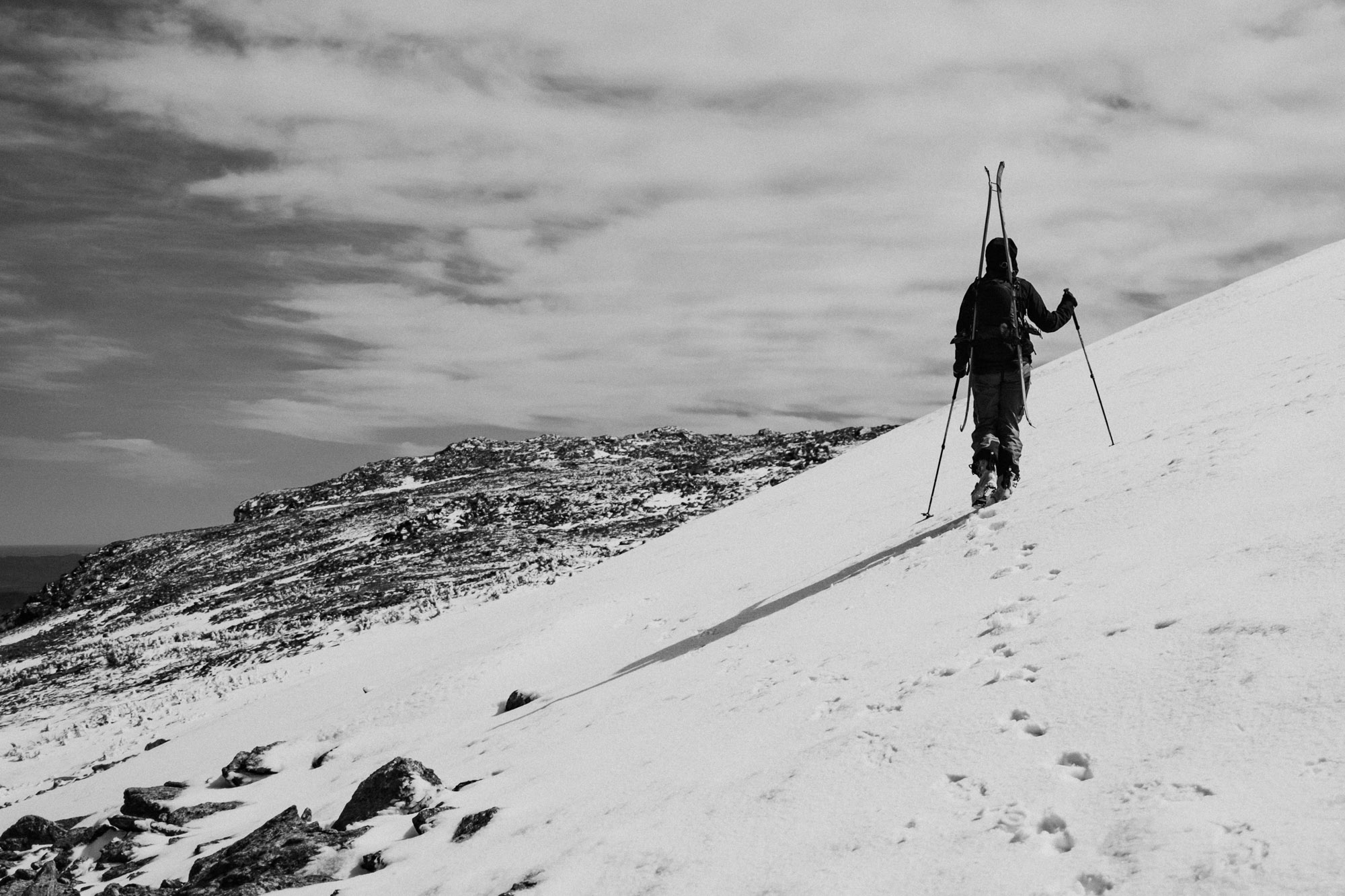
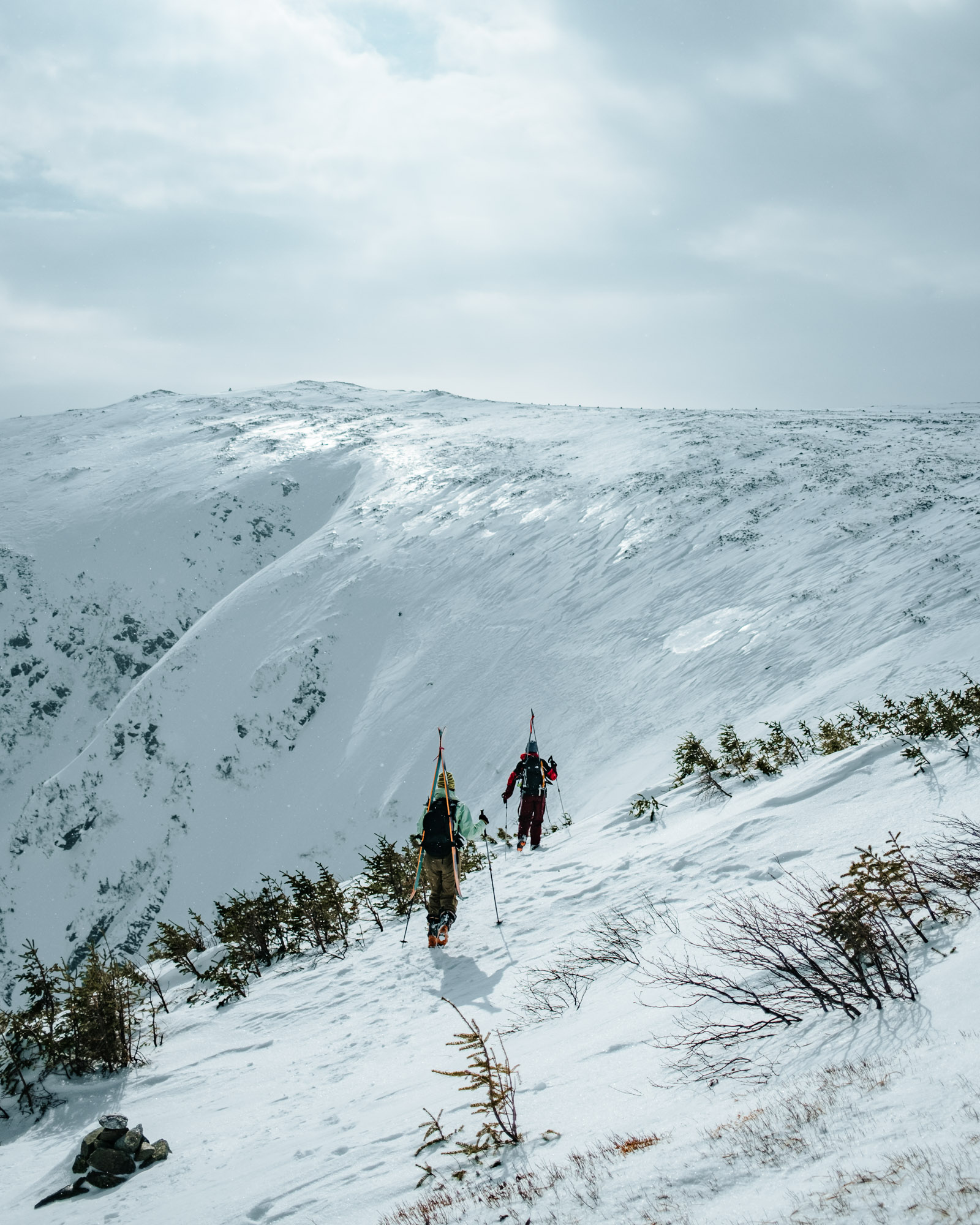
From the base of the bowl, bootpacking up Left Gully takes about an hour, depending on conditions. The ascent follows the chute directly, with skis or a snowboard strapped to your pack. The pitch hovers around 45 degrees, and crampons are usually non-negotiable. Every step demands your attention. The wind makes itself known as you gain elevation.
At the top of the bowl, the forest you moved through hours earlier feels impossibly far away. From here, several lines drop back to the base of the ravine, where you can climb again via Left Gully or Right Gully.
“The bowl naturally brings everyone together at the bottom,” Camille says. “In the spring, people settle into the sun—eating, chatting, watching others ski.”
As the day begins to wind down, Camille, Louis-Charles, and Philippe make one last climb to ski Hillman’s Highway. North-facing and often holding snow later into spring than most other lines, it’s a committing pitch—but the spring snow, granular and stable, naturally keeps your speed in check.
The descent brings you back down to Hermit Lake.
.jpg)
Sherburne is a four-kilometer run cut through the forest that takes you all the way back to the parking lot—assuming you're not spending the night at Hermit Lake.
For those who prefer not to venture in the alpine terrain, the trail offers its own version of the day: hike up to the shelter, take in the view of the ravine, then ride this long ribbon of snow back to the bottom.
Back at the car, skis return to the roof. Bags get stuffed into the trunk. The bag of chips that's been waiting since 5 a.m. finally gets opened. And somewhere on the road (toward the Maine coast or back north to Montreal) as Mount Washington fades in the rearview mirror, you find yourself thinking: see you next spring.






NEW ISSUE nº17








.jpg)
.png)
