


Looking for something specific? Enter keywords to discover content, stories and experiences.
Close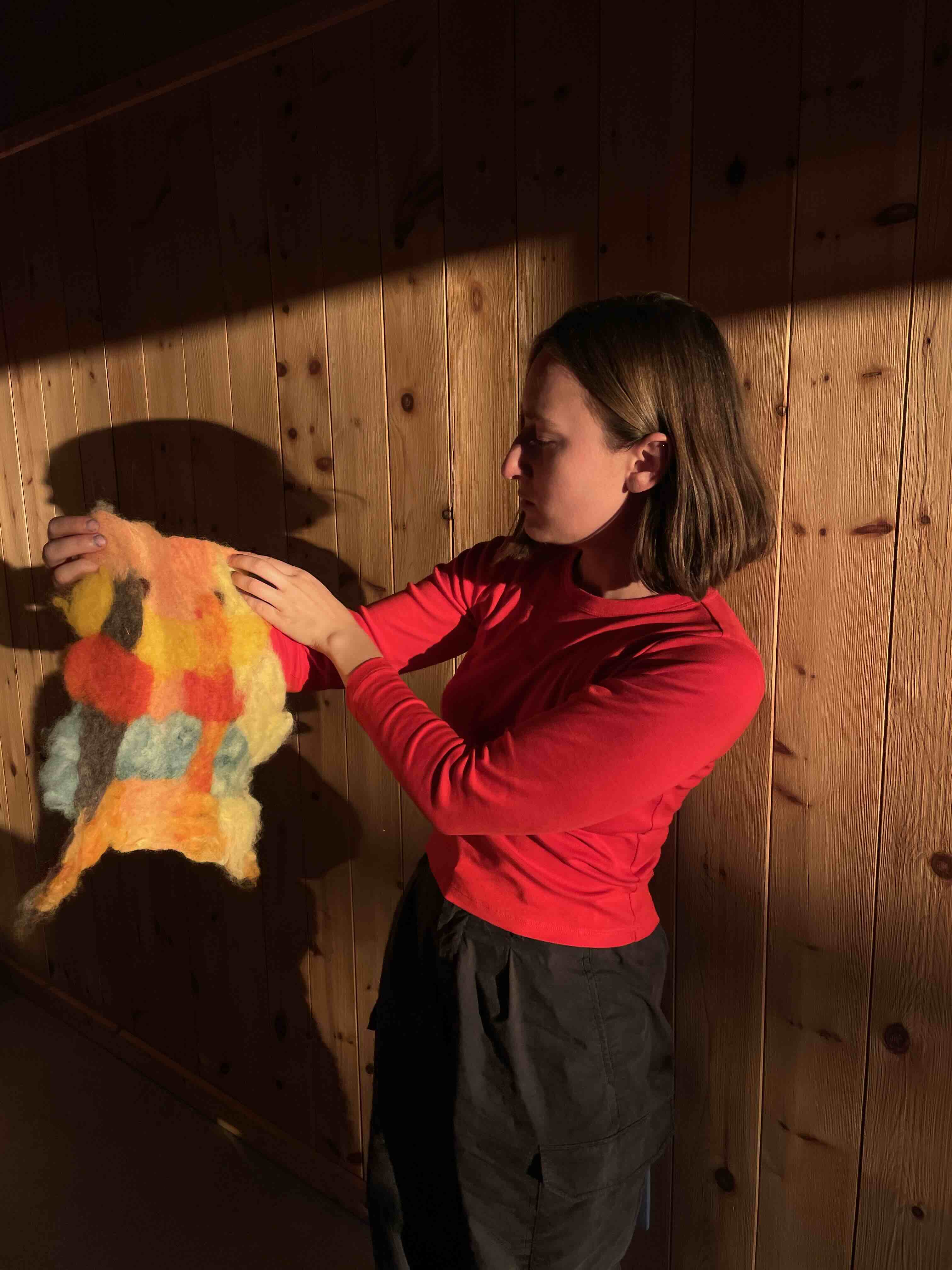

December 18, 2025
Photo
Béatrice Dubreuil and Alina Herta
December 18, 2025
Photo
Béatrice Dubreuil and Alina Herta
Originally trained in graphic design, Béatrice Dubreuil is also a weaver and a multidisciplinary artist whose work is shaped by slow, intentional gestures, a deep connection to place, and a respect for the living world. “The common thread in everything I do is the need to create with my hands and the curiosity to try new things,” she explains.
Her inspiration often comes from what’s right in front of her: a shift in the light, a specific texture, a sound that stirs something, or a material in transformation. Béatrice’s creative world is grounded in small details and was nurtured early on in a childhood where making was simply part of everyday life.
“I grew up in a very creative environment,” she says. Her mother, a costume designer for the performing arts and a painter, taught her early on how to sew, knit, sketch, and use a sewing machine. More than anything, she passed down the desire to create with her hands.
Later, Béatrice took a film photography course (just before the school made the shift to digital), deepening her interest in visual art. That curiosity led her to pursue graphic design, which remains her full-time profession today—alongside a few freelance projects and her personal art practice. “It’s a lot!” she admits with a laugh.
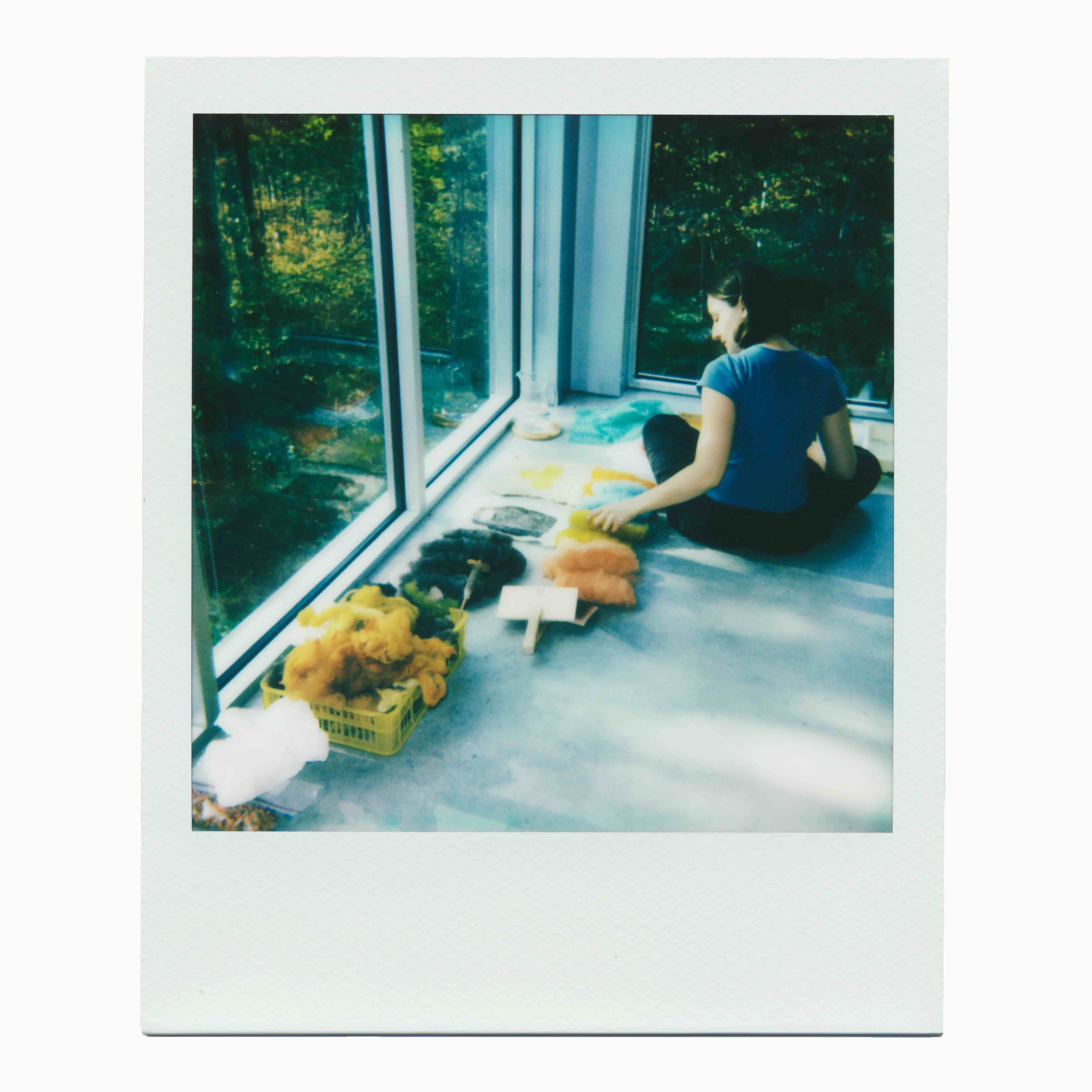
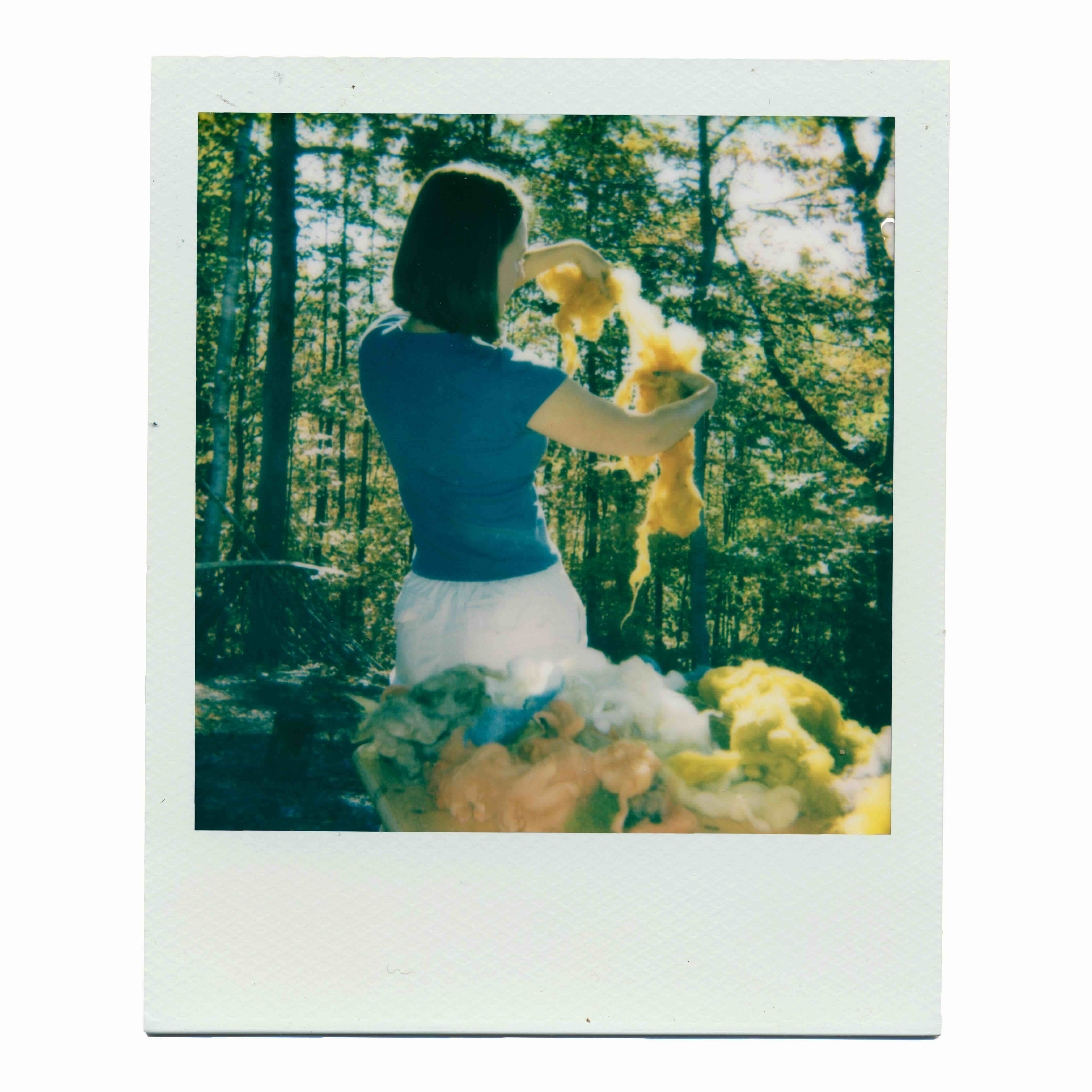
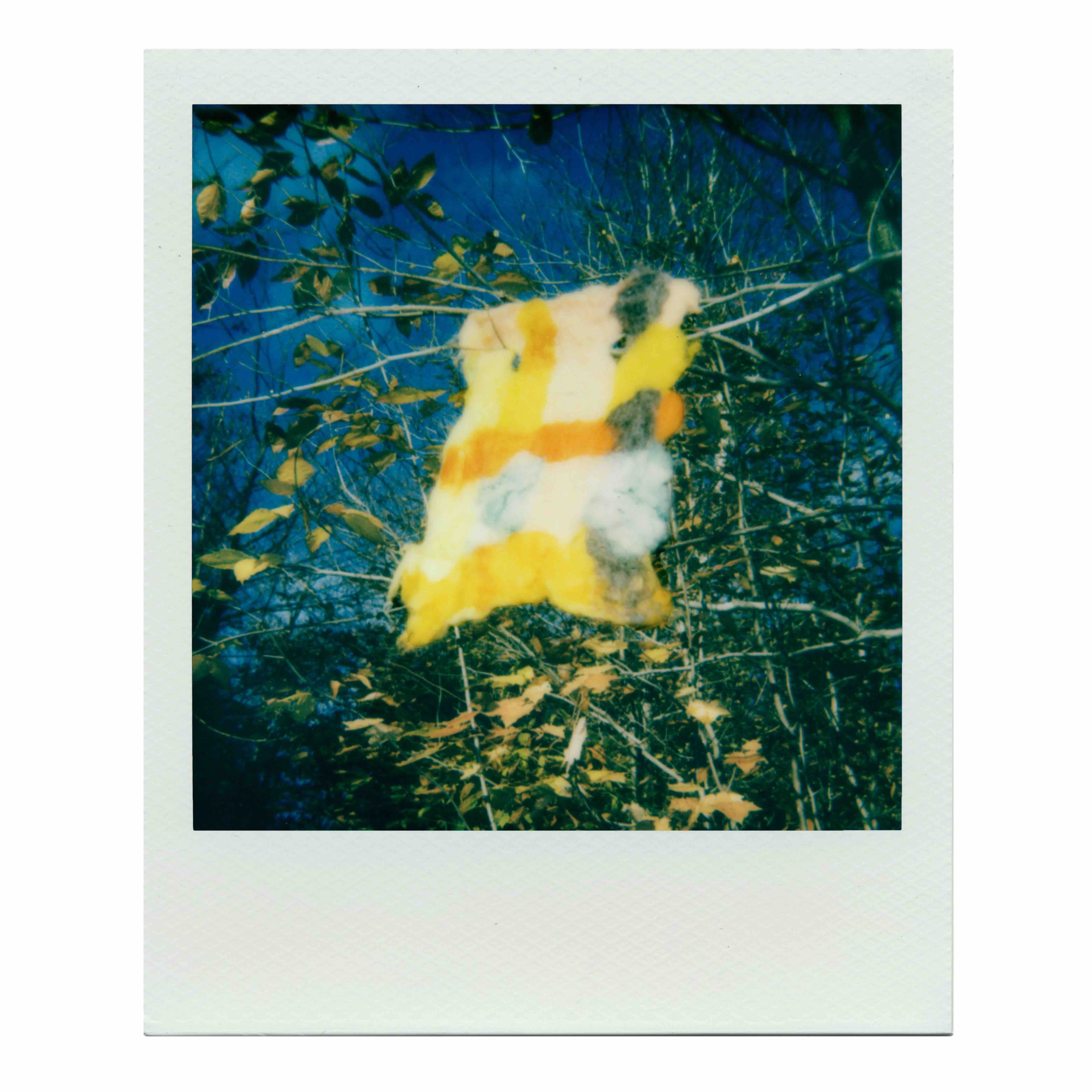
Over time, weaving became both a creative outlet and an experimental space. “My first organic weavings came out of a spontaneous desire to leave no trace,” she explains. Her first piece—woven from tulip petals taken from a fading bouquet—marked a turning point: an artwork meant to decompose, not to last. “The idea of making something that leaves as little impact as possible on its environment is fascinating to me.”
While this question of impact remains central to her work, Béatrice’s practice isn’t limited to the ephemeral. She also creates long-lasting ceramic pieces and wool weavings. But the desire to minimize her footprint continues to guide her.
That sensitivity to materials and living beings took on even greater meaning in 2021, when she responded to an unusual volunteer posting: become a shepherd in Montréal.
Since then, she’s spent part of each summer caring for a small flock of sheep as part of Biquette, an initiative that promotes ecological grazing in public parks as an alternative to mechanical mowing.
From May to October, she tends to the sheep in sunshine and rain, learns to recognize them by name, and later transforms their fleece into artwork.
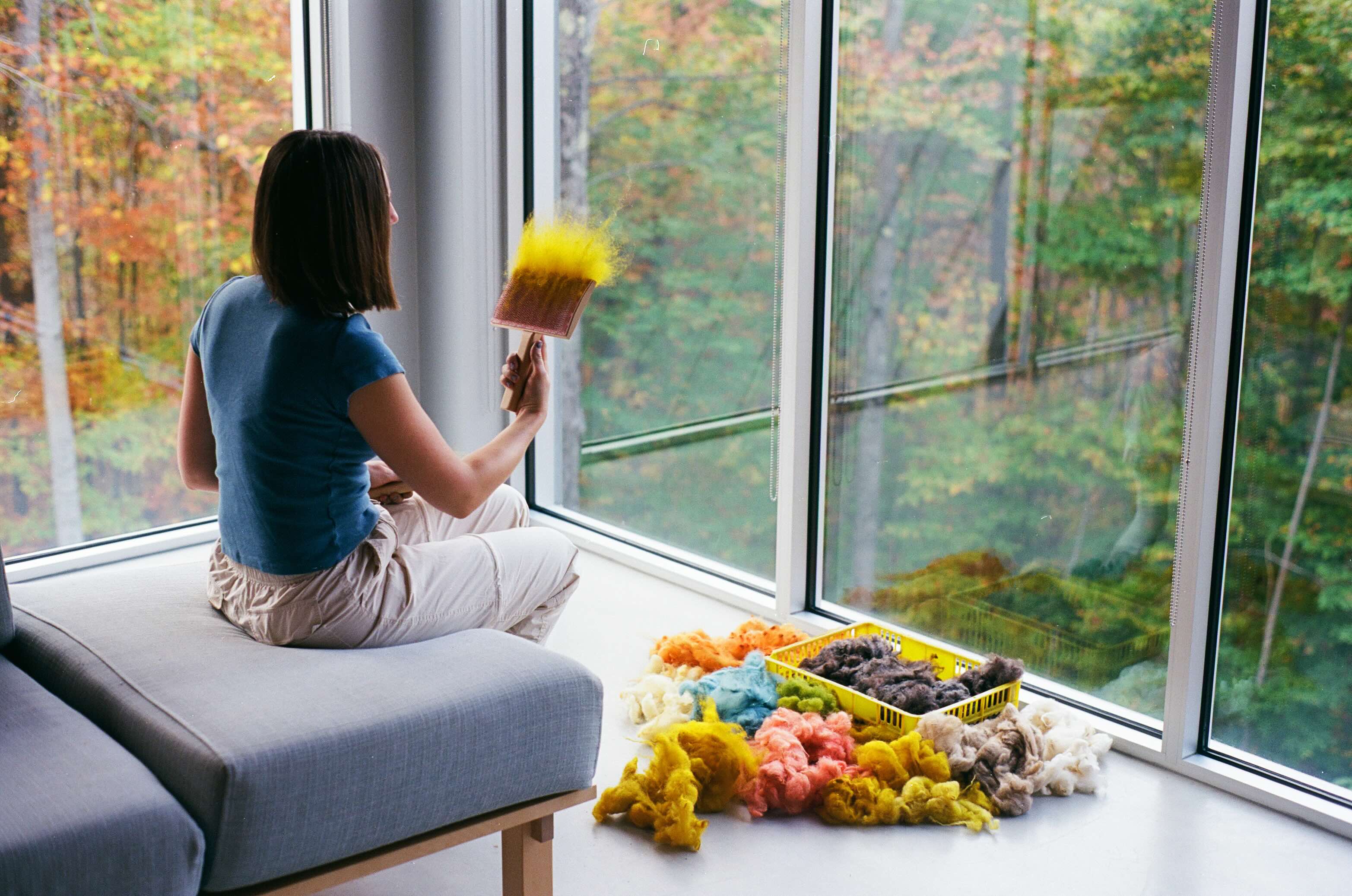
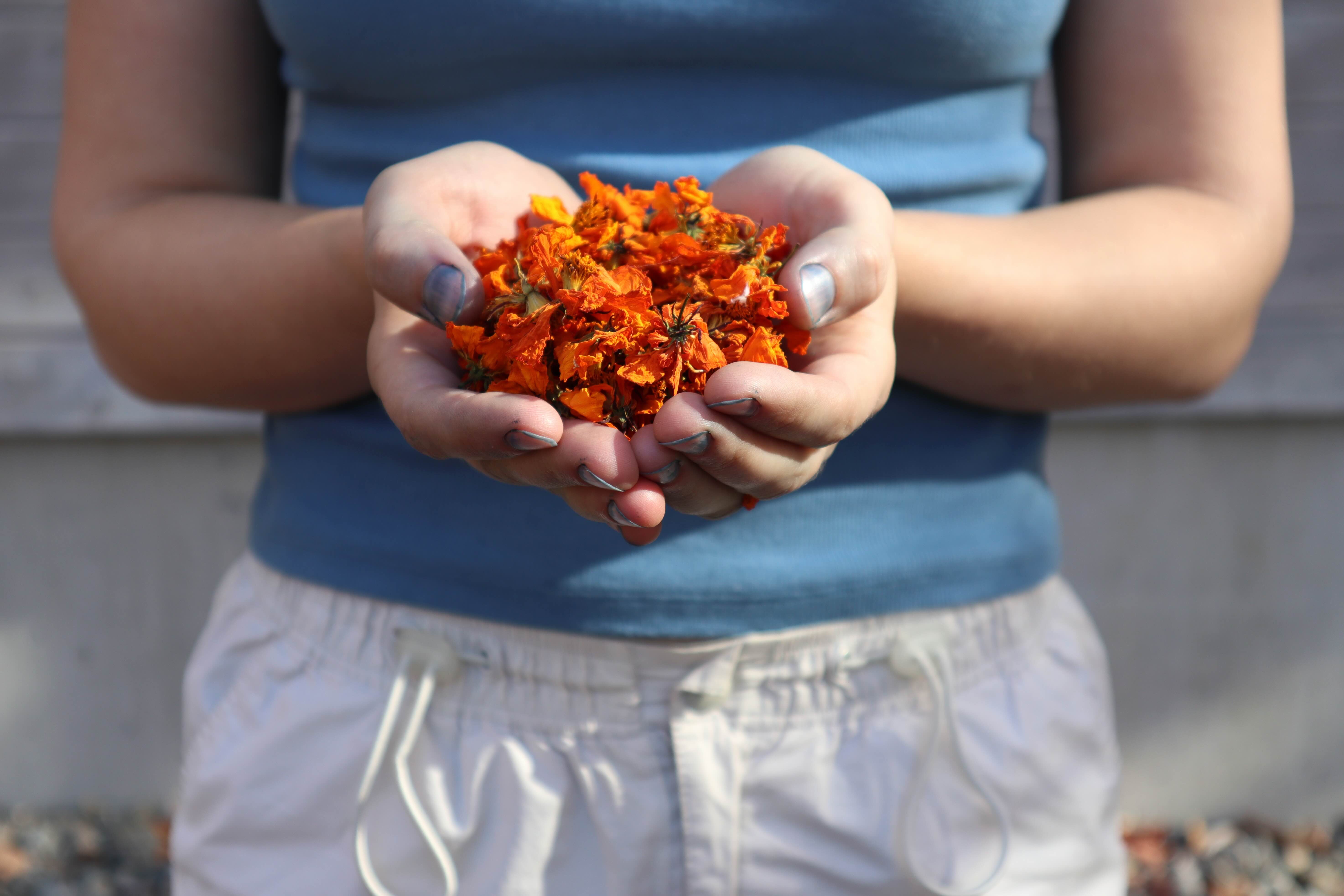
Béatrice’s interest in natural dyes grew from a desire to move away from synthetic fibres—no matter how vivid their colours. “I’ve always loved gardening, and dyeing with plants just felt like a natural extension of that,” she says. “I wanted to be closer to the raw materials and better understand where colour really comes from.”
She trained with Couleurs locales and habi habi in Québec, and later studied shibori at Awonoyoh in Japan, where indigo is still made the traditional way from fermented sukumo. Back home, she began cultivating indigo on her balcony, and later expanded her dye garden in her aunt’s community plot. She now grows a full palette of pigment plants: orange from cosmos, yellow from marigold, purple from scabiosa, red from madder, and blue from Japanese indigo.
For Béatrice, the origin of the material matters just as much as the finished form. “Each piece I dye or spin carries a story—a story of land, of gestures, and of relationships,” she says.
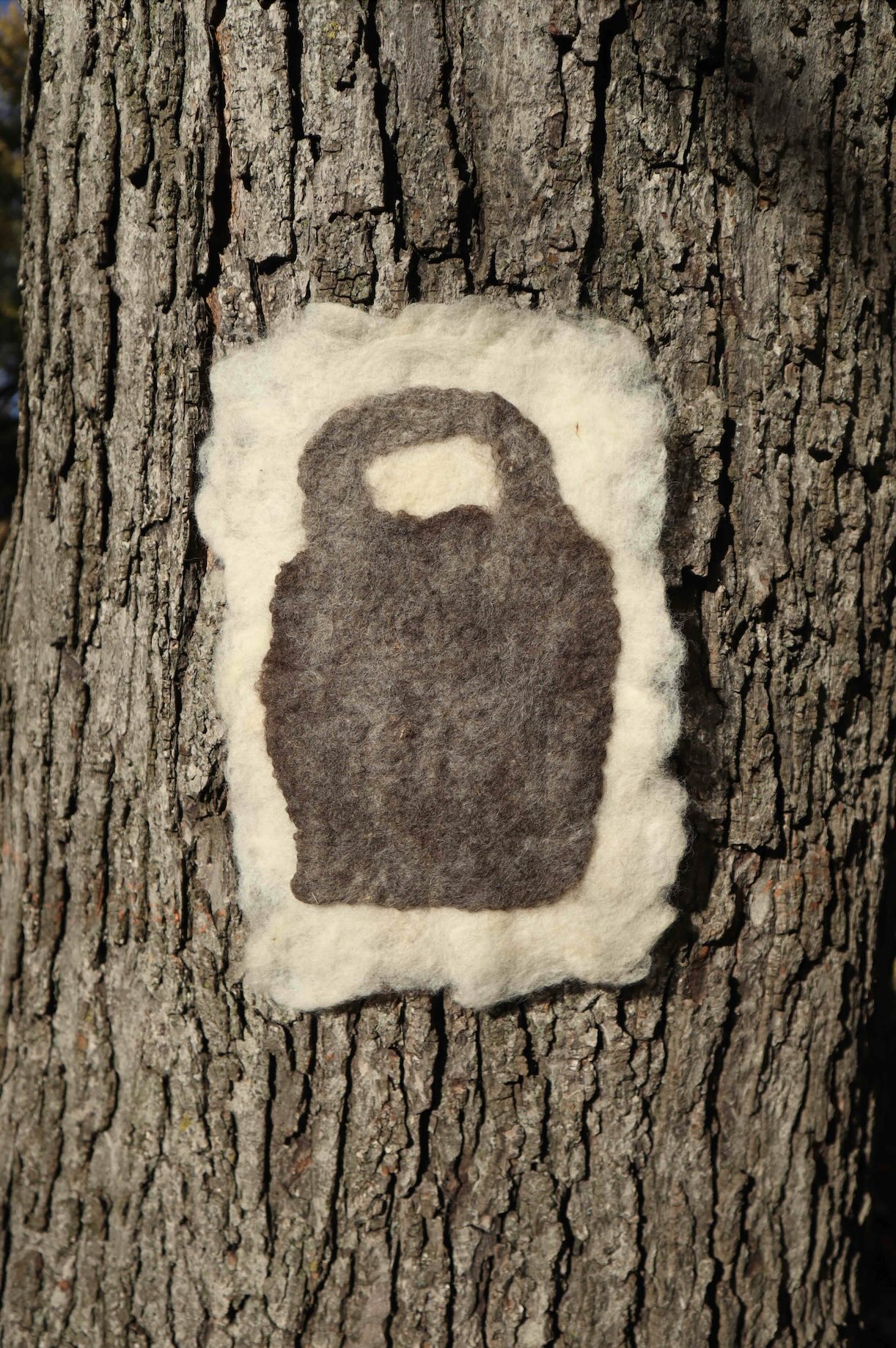
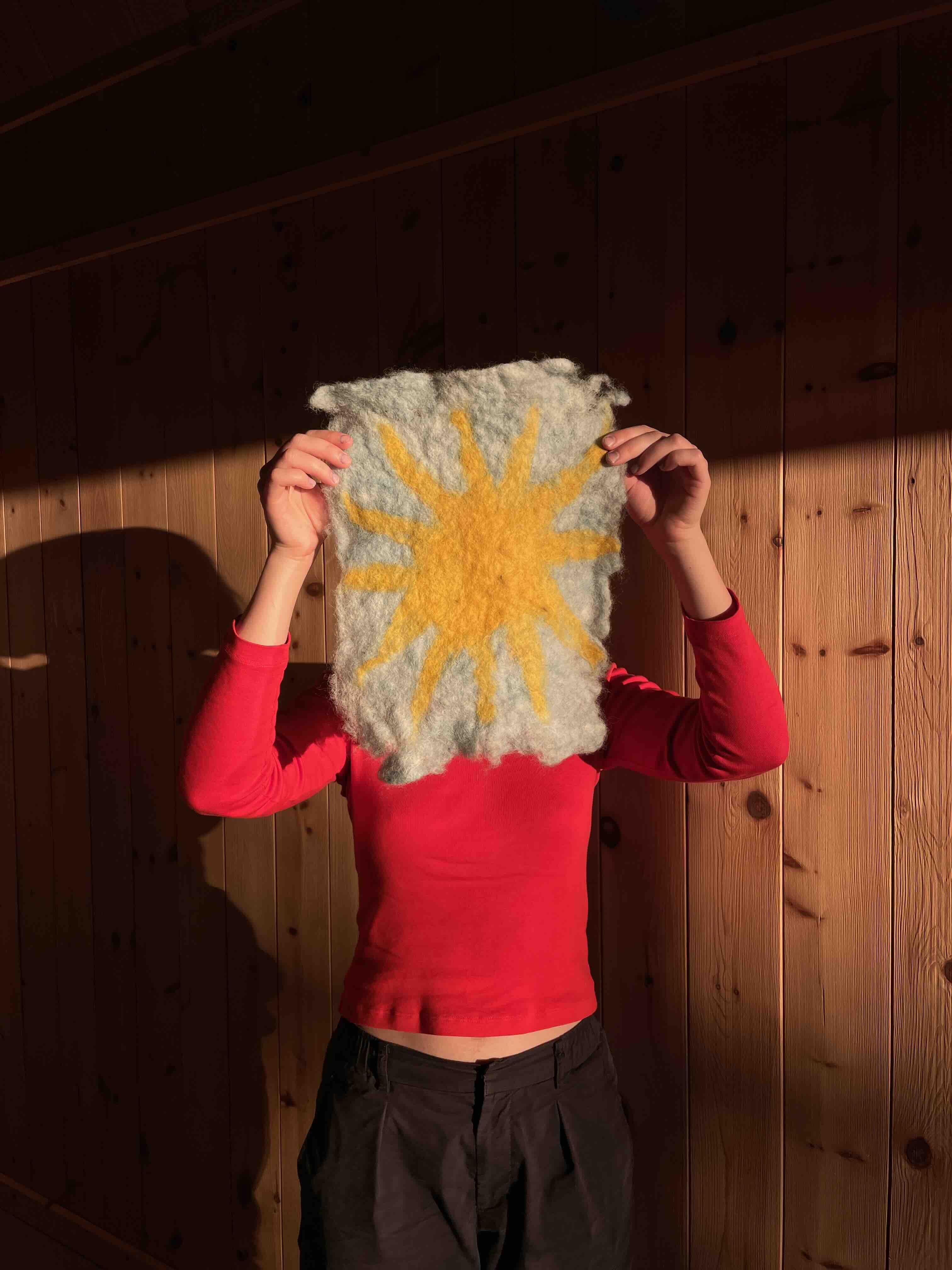
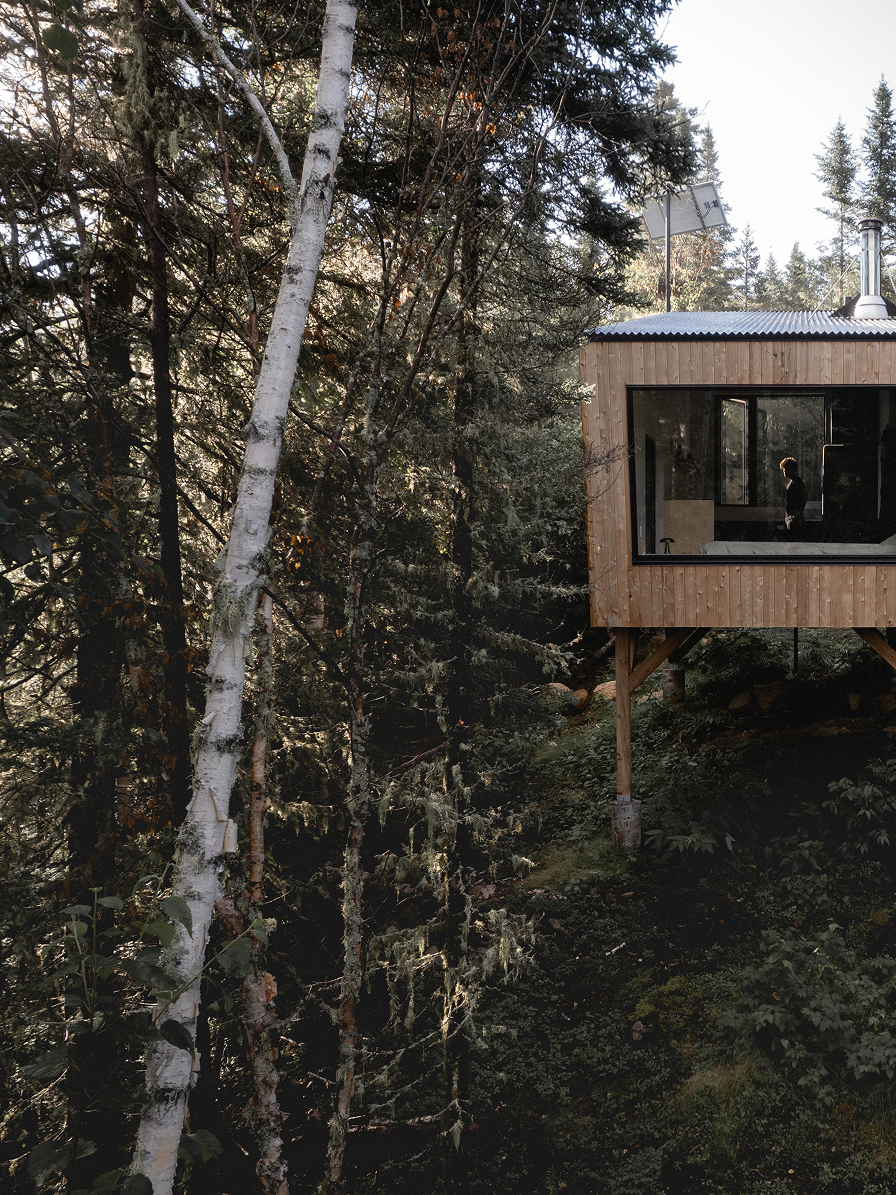
During her artist residency at BESIDE Habitat, Béatrice filled the cabin with naturally dyed wool and a desire to experiment with wet felting. The forest quickly became a source of inspiration—several pieces emerged from her short stay, shaped by the colours of moss, lichen, and shifting light along the trails.
One piece she created was a sheep bell, a nod to traditional herding culture and the way a lamb can find its mother by sound. Another was a felted wool touski, incorporating offcuts from other works—a tactile representation of her belief that nothing is ever wasted.
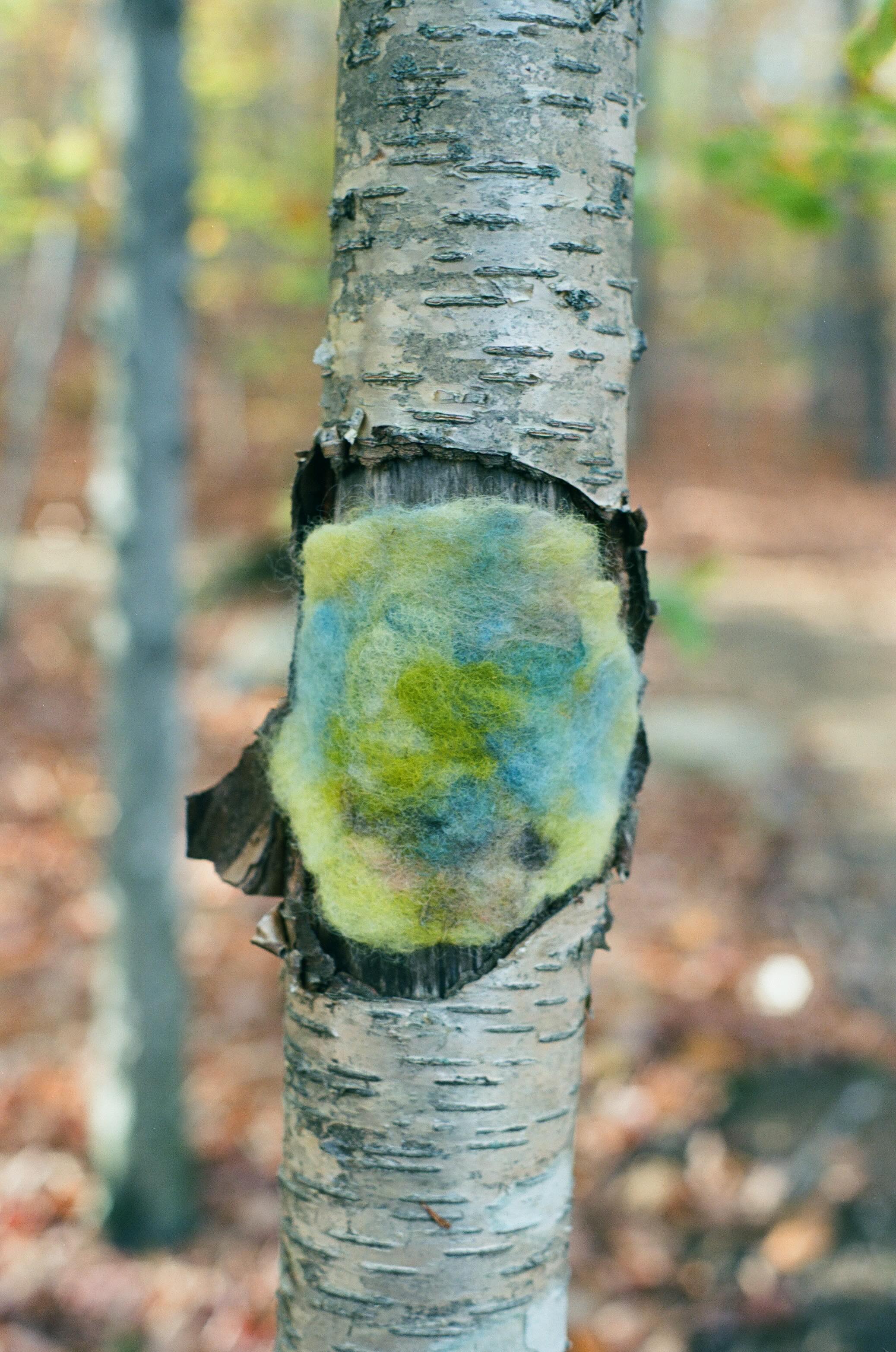
In addition to her studio practice, Béatrice leads workshops in weaving and mending—creative spaces that double as moments of connection. “I think a lot of people are craving ways to work with their hands again,” she says. These workshops break the solitude of art-making and offer shared time with curious minds eager to learn.
Discover more of her work here: @bea.tisse




NEW ISSUE nº17





.jpg)
.png)
