Looking for something specific? Enter keywords to discover content, stories and experiences.
Close
Table of Contents
Charlevoix first brings to mind Le Massif, Baie-Saint-Paul and whale-watching cruises. However, travellers wondering what to do in Charlevoix beyond these classic attractions will find a more secluded natural setting: dramatic gorges, boreal forest, small local producers and the peaceful silence of the backcountry.
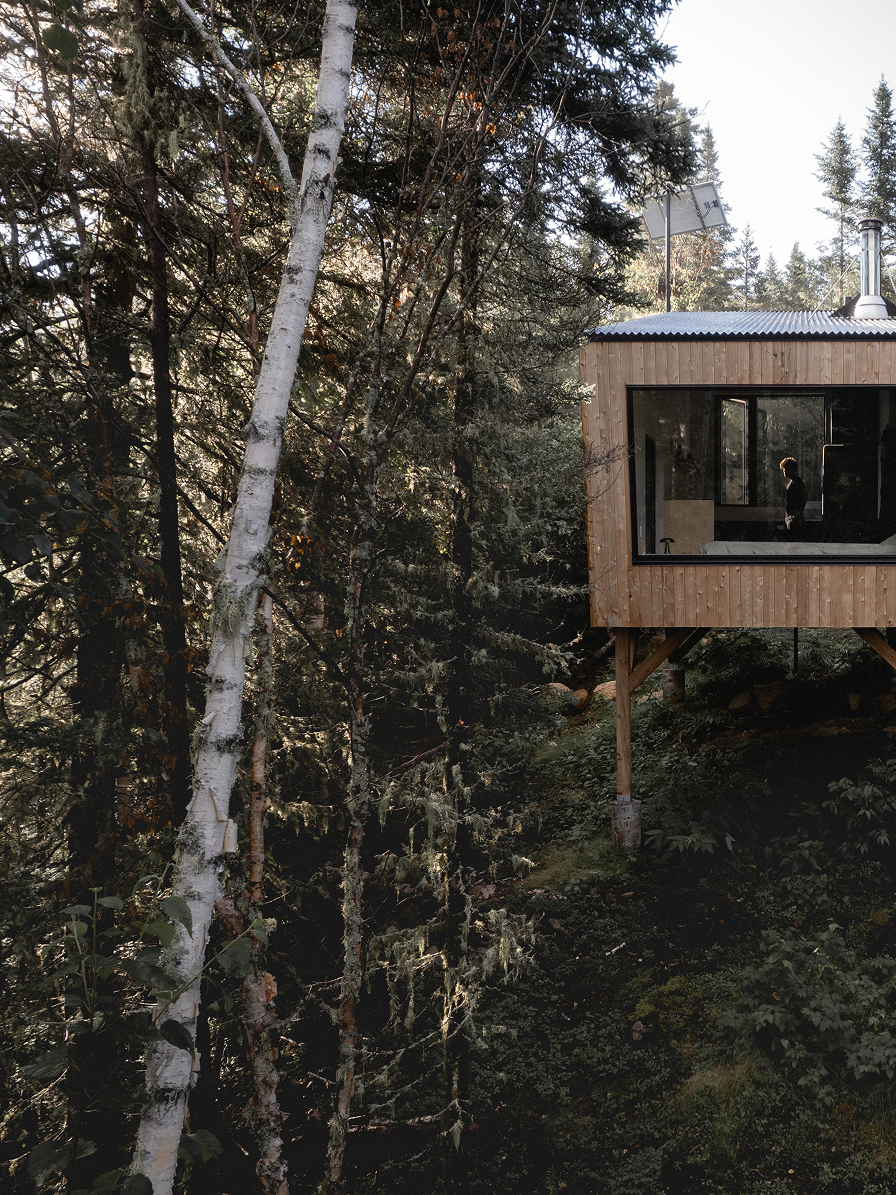
This guide presents six experiences for discovering the region differently, with activities taking centre stage and crowds left behind. A forest retreat serves as a home base, allowing you to slow down instead of moving constantly between tourist attractions. It is an opportunity to discover a more rugged and intimate side of Charlevoix. You will also find a three-day itinerary, a seasonal comparison table and answers to frequently asked questions.
Le Massif de Charlevoix, downtown Baie-Saint-Paul and whale-watching cruises have earned their excellent reputations. However, they also attract most of the region's visitors during the high season.
Venturing a little farther makes it possible to rediscover what gives the region its character: landscapes shaped by an ancient crater, protected biodiversity and a slower pace of life. Some of Charlevoix's most memorable experiences can be found in this backcountry.
Charlevoix owes its distinctive terrain to a meteorite impact that occurred millions of years ago. The crater helps explain the mountains, valleys and diverse landscapes concentrated within a relatively small area. This unique geography, recognized as a World Biosphere Reserve, has shaped both the region's natural environment and its local culture.
Here are six ways to venture off the beaten path, organized by type of experience rather than by village. They can all be enjoyed within a reasonable distance of one centrally located home base and provide several answers to the question of what to do in Charlevoix.
Instead of taking a traditional cruise, visit one of the coastal viewpoints where you can observe the St. Lawrence River and its cetaceans in peace, away from crowded boats. The estuary, where the river widens and becomes saltier, attracts several species of cetaceans during summer and early fall.
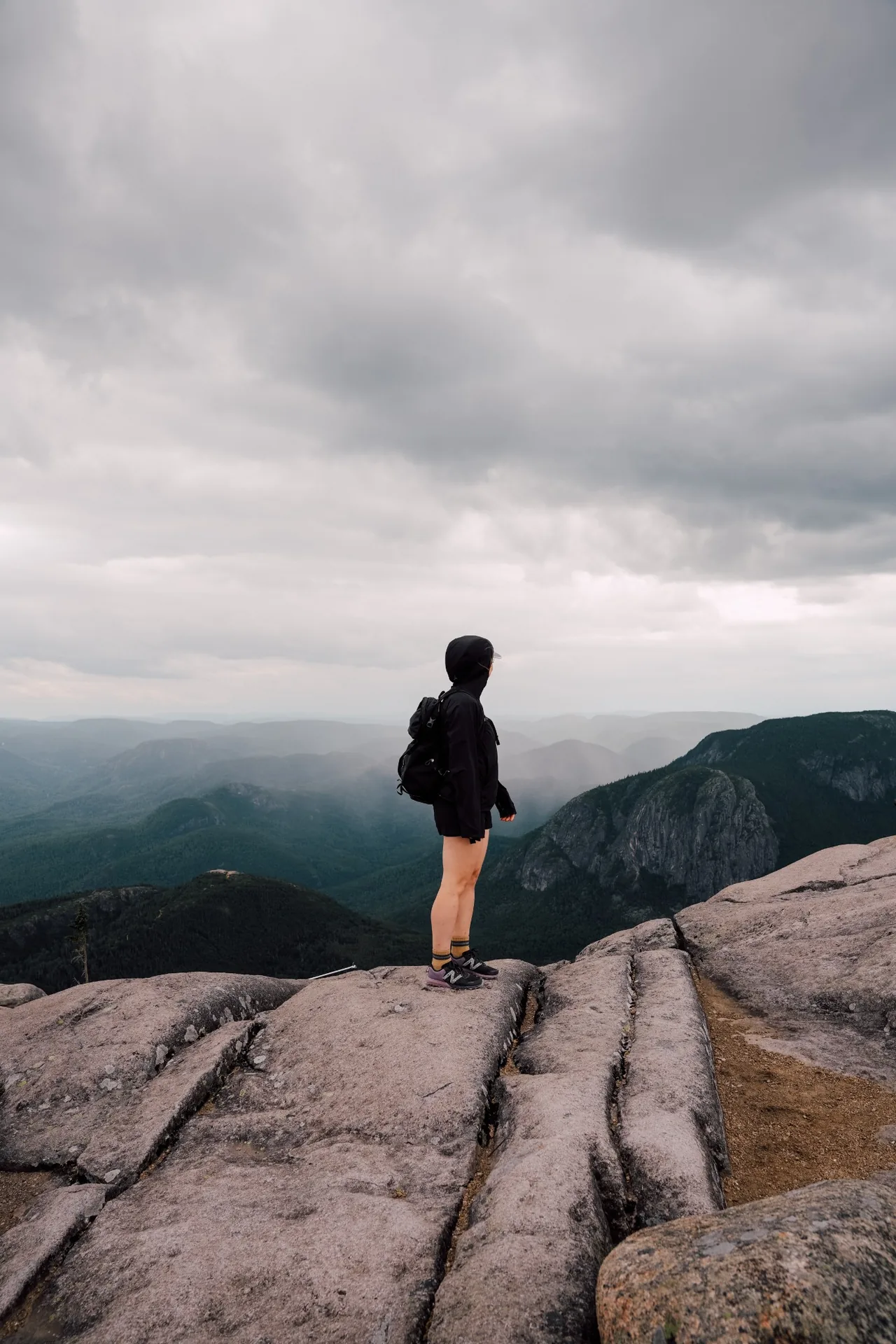
Hautes-Gorges-de-la-Rivière-Malbaie National Park is home to some of the tallest rock faces east of the Rockies. Beyond the main trail, less frequently travelled routes reveal spectacular viewpoints. The park protects one of Quebec's most beautiful valleys, carved by the Malbaie River between steep mountainsides.
From Cap-à-l'Aigle or Port-au-Persil, sea kayaking provides a unique perspective on the estuary. With a little luck, you may encounter seals and belugas surrounded by dramatic cliffs. A guided excursion is recommended for beginners because the estuary's currents and tides require caution.
Beyond the Flavour Trail, small cheese, spirits and cider producers welcome visitors by reservation. It is an opportunity to experience a more specialized side of the region's culinary culture directly at the source. In Baie-Saint-Paul, Famille Migneron de Charlevoix combines an artisanal cheese factory, organic vineyard and distillery on one property. In Clermont, the Menaud distillery and brewery produces spirits and beer using resources from the region.
Cheese makers, cider houses, bakeries and market gardeners can also be found throughout the backcountry, each operated by inspiring local artisans.
Grands-Jardins National Park protects a rare boreal forest and high-altitude taiga. It is an ideal setting for forest bathing, a contemplative practice described in our guide to a wellness retreat in nature. Walking slowly and quietly among spruce trees and lichens provides the calming effect many visitors are seeking.
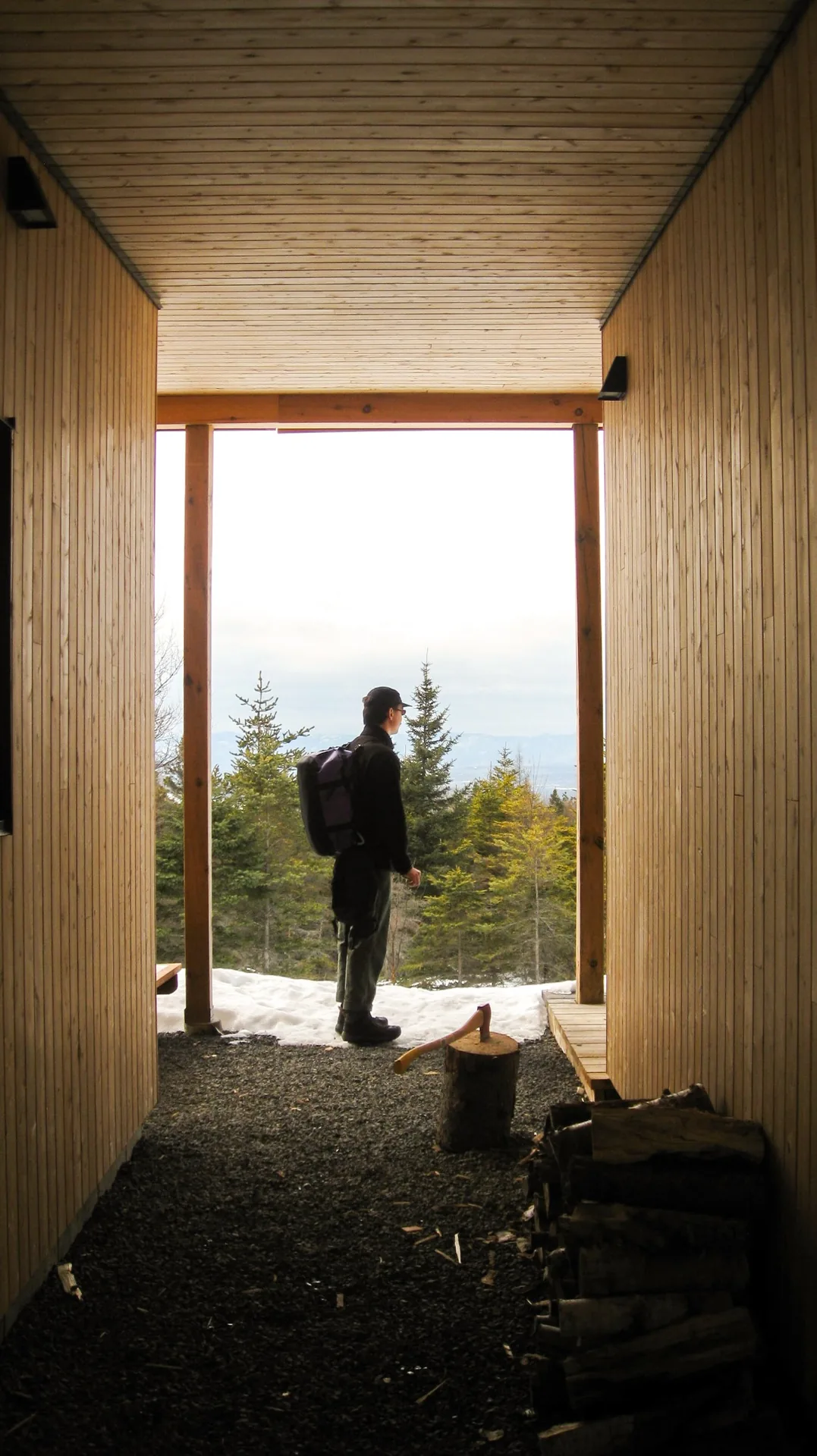
To experience Charlevoix without distractions, few things compare with spending a quiet night away from the region's busier communities.
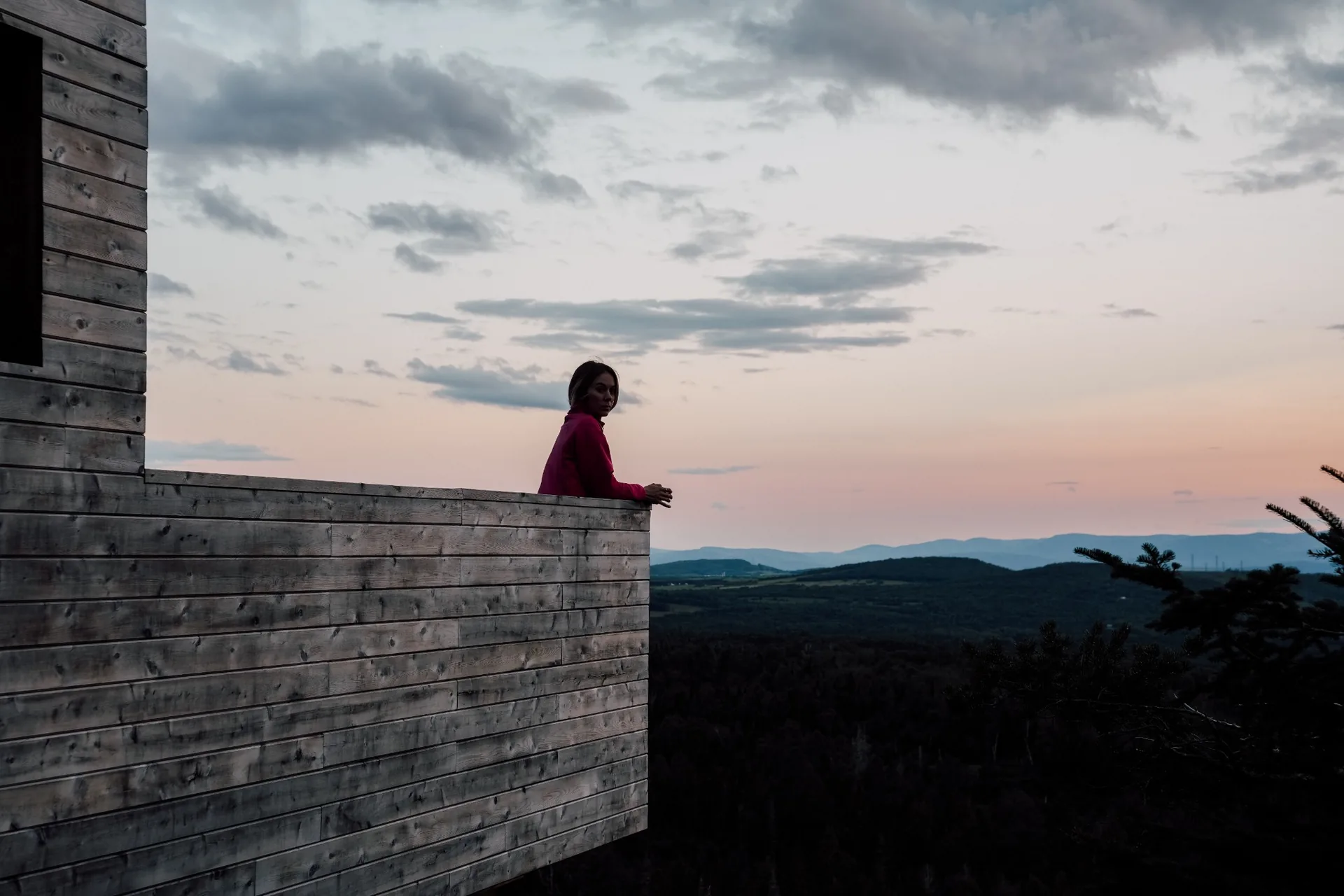
Far from village lights, the night sky becomes fully visible and the silence becomes an experience in itself.
Interested in learning more? Discover what a true small retreat nestled between the river and the mountains can offer.
To combine several of these experiences without rushing, follow this suggested three-day itinerary:
When travelling with your dog, read our advice for travelling with a dog before leaving.
This itinerary prioritizes the quality of each experience rather than the number of stops. You can extend it to four days to slow down even more or shorten it based on the time available and the weather.
When deciding what to do in Charlevoix during each season, the type of activity you want to enjoy makes all the difference. Fall, in particular, transforms the mountains into a colourful mosaic and attracts many visitors.
| Experience | Best season | Good to know |
|---|---|---|
| Sea kayaking | Summer | Check the tides and wind conditions |
| Hiking in the Hautes-Gorges | Summer and fall | Spectacular colours in September |
| Boreal forest and forest bathing | Year-round | Accessible during the off-season |
| Local producers | Summer and fall | Reservations are often required |
| Whale watching | Summer and early fall | Presence varies by species |
Charlevoix can be reached in approximately one hour from Quebec City and a little over three hours from Montreal by following scenic Route 138. The journey follows the St. Lawrence River and is already an experience in itself.
A vehicle is recommended for reaching the more isolated backcountry areas and travelling between experiences. Fill up with gas before leaving the main communities.
Route 138 passes through Baie-Saint-Paul, La Malbaie and several coastal villages, with numerous viewpoints overlooking the river. Stopping along the way is part of the experience, especially since the distances between attractions remain relatively short after you arrive.
During winter, some secondary backcountry roads may be covered with snow. Check the road conditions before travelling toward the national parks, especially at the beginning and end of the season when the weather can change quickly.
Discovering what to do in Charlevoix beyond Le Massif means accepting a slower pace. Gorges, boreal forest, sea kayaking and local producers reveal a region that is more intimate than the familiar postcard image. A well-located retreat turns these individual experiences into a complete getaway.
By taking your time, you will discover a region that deserves to be explored and appreciated away from the activity of its busiest attractions. Charlevoix often leaves its most lasting impression during these quieter moments.
To experience this more secluded side of Charlevoix, discover what awaits between the river and the mountains.
To explore Charlevoix beyond Le Massif and Baie-Saint-Paul, focus on its natural experiences. You can hike the Hautes-Gorges trails, go sea kayaking from Port-au-Persil, visit small producers by reservation or immerse yourself in the boreal forest of Grands-Jardins. These less widely known activities make it easier to avoid the crowds and experience the region at a much slower pace.
Three days is a good length of time for discovering Charlevoix without rushing. It allows you to alternate between hiking in the Hautes-Gorges, kayaking on the river, visiting producers and relaxing in the forest. Two days is enough for an initial overview, but the backcountry deserves more time. A centrally located retreat prevents long drives between experiences and leaves more time for enjoying nature.
It is possible, but a vehicle makes exploring Charlevoix significantly easier. Communities such as Baie-Saint-Paul and La Malbaie can be reached by coach from Quebec City and Montreal. However, the national parks and backcountry areas are difficult to reach without a vehicle. To travel freely between the Hautes-Gorges, Grands-Jardins and the coast, a car remains the most practical and flexible option.